Table of Contents
An Old Disease, A New Perspective
How long has humanity lived alongside cancer? Much longer than we often imagine. Evidence of tumors has been found in ancient Egyptian mummies, suggesting that the disease accompanied humans long before modern medicine could even name it. (Ref.)
For most of history, cancer was a mystery – recognized, feared, but poorly understood. Without knowledge of its causes, treatments were limited to attempts at removal, often unsuccessful and frequently dangerous.
The past century changed that dramatically. The development of anaesthesia allowed surgeons to remove tumors more precisely. Later came chemotherapy, born from compounds discovered during World War II that interfered with cell division. These drugs could slow cancer, but they affected healthy tissues as well, revealing both the power and the limits of directly attacking rapidly dividing cells. (Ref.1), (Ref.2)
Advances continued. Targeted therapies and immunotherapy introduced a more refined strategy – helping the immune system recognize malignant cells and interrupting specific growth signals. Each step brought progress, yet cancer often adapted, resisted, and returned. (Ref.1), (Ref.2)

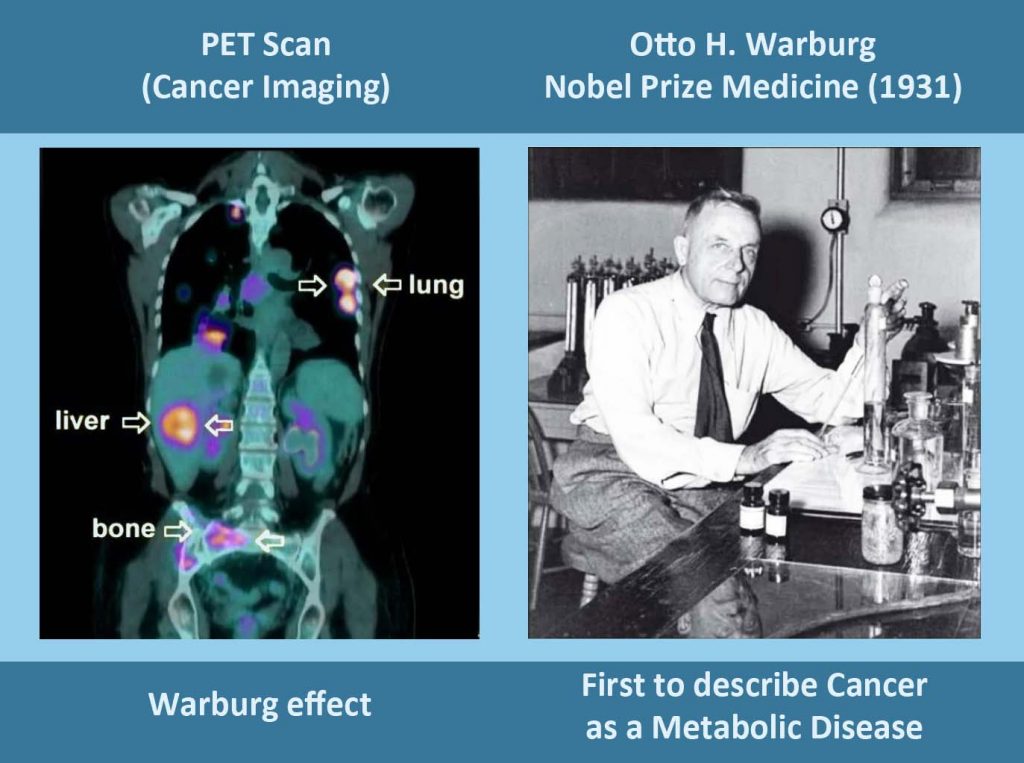
Along this path of discovery, researchers noticed something unexpected. Many cancers were not defined only by genetic mutations, but by how they produced energy. As early as 1923, biochemist Otto Warburg observed that tumor cells consumed extraordinary amounts of glucose while using surprisingly little oxygen. Despite oxygen being the more efficient fuel source, these cells preferred rapid sugar breakdown, producing excess lactate – a process now known as the Warburg effect, a hallmark of cancer biology. This shift gives tumors both growth materials and survival advantages. (Ref.)
As interest in metabolic medicine grew, researchers began exploring whether restoring normal cellular energy use could influence tumor behavior. Rather than directly destroying cancer cells, the aim became to shift their internal signals, so they lose their growth advantage, allowing tumors to stabilize and regress.
This renewed focus brought attention back to several existing compounds that influence malignant cellular energy pathways. Among them was Sodium dichloroacetate (DCA), a small molecule studied for its ability to address the metabolic disturbances observed across multiple tumor types.

Malignant Metabolism: Where Cancer Breaks the Rules
Under normal conditions, healthy cells generate energy efficiently. They use oxygen inside structures called mitochondria – often described as the cell’s tiny powerhouses – to produce fuel out of sugar in a steady and controlled manner. This process supplies enough energy for growth, repair, and normal tissue function.
Cancer cells behave differently.
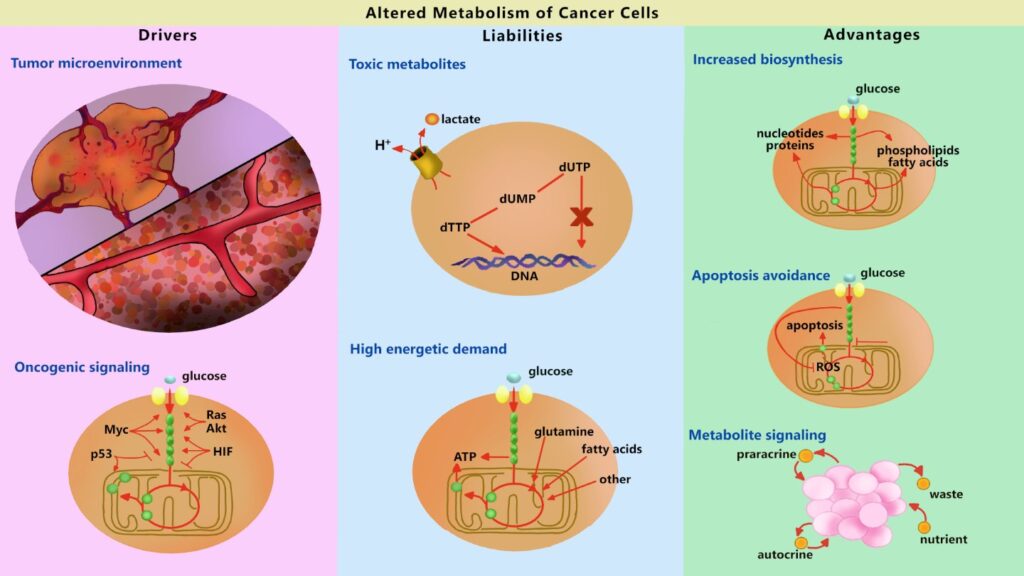
Even when oxygen is available, many tumors switch to a faster but less efficient way of producing energy – breaking down glucose into lactate. This phenomenon, known as the Warburg effect, allows cancer cells to generate the building blocks needed for rapid growth while creating an acidic environment around them.
That acidic environment is not accidental. Excess lactate buildup helps tumors in several ways: it weakens the body’s immune defenses, encourages new blood vessel formation, and allows malignant cells to invade surrounding tissues more easily. In simple terms, cancer cells are not just growing faster – they are actively reshaping their surroundings to survive.
Because of this, the tumor becomes less responsive to the body’s normal regulatory signals. Treatments that aim to directly destroy cancer cells may work for a time, but slower-growing cancer stem cells can survive within the same metabolic state, allowing the disease to persist and return. This is one reason cancer can be so difficult to eradicate.
This led researchers to ask a different question: instead of focusing only on destroying cancer cells, could altering their energy system encourage them to behave more like normal cells again?

How DCA Works Against Tumor Cells
Sodium dichloroacetate acts at a key control point in how cells handle energy.
Inside every cell is a metabolic “switch” that determines whether sugar is used efficiently with oxygen or rapidly converted into lactate. In many cancers this switch becomes stuck in a rapid sugar-burning mode. The cells still contain mitochondria, but their activity is suppressed, allowing the tumor to remain in a constant growth-favoring state.
DCA acts on a control enzyme called pyruvate dehydrogenase kinase (PDK), which keeps cancer cells locked in this fast sugar-burning state. By blocking this enzyme, DCA helps shift energy use back toward normal pathways and reduces the build-up of harmful by-products.
As this shift occurs, the surrounding environment gradually changes. The acidic tumor microenvironment begins to soften, growth-driven signaling decreases, and malignant cells can once again respond to the body’s natural signals that tell damaged cells to shut down (apoptosis).
Rather than poisoning cells and surrounding tissues, the compound alters the conditions cancer cells rely on to survive. Because malignant cells depend heavily on this altered metabolism, they are affected most – tumor cells that cannot adapt stop growing and begin to die off, while healthy cells continue functioning and are largely unaffected.
For this reason, metabolic therapies are being studied not as replacements for oncology care, but as approaches that may influence tumor behavior at a more fundamental biological level.
In some settings they may also complement existing therapies, potentially improving response and helping limit the development of resistance.

What Happens After Starting DCA
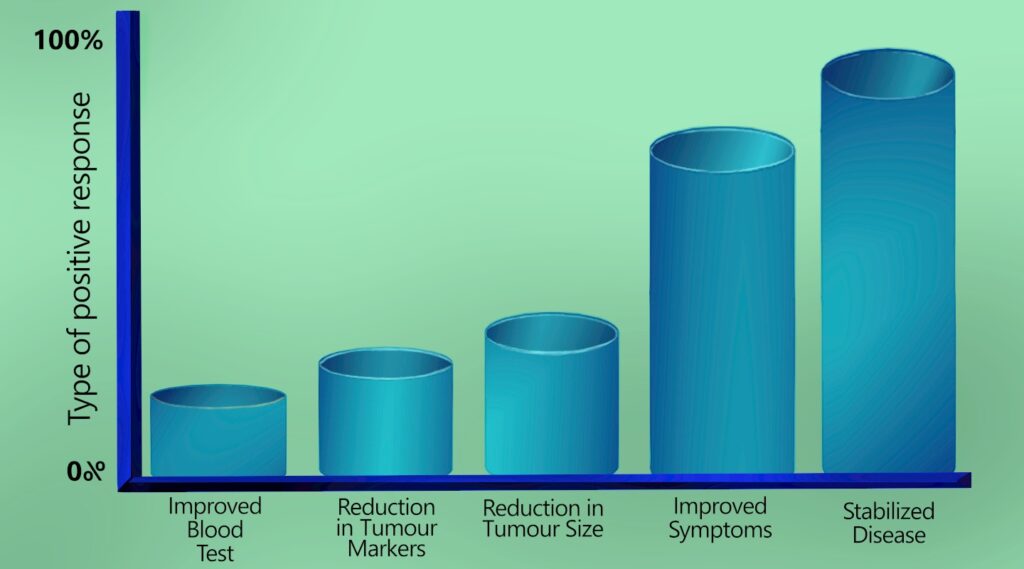
As metabolic therapies moved beyond laboratory research, clinicians began to notice a recurring pattern. Changes rarely appeared as sudden tumor destruction. Instead, responses tended to follow a gradual sequence – first in how a person felt, then in laboratory markers, and only later in imaging studies.
Reported Changes in Practice:
| Symptom Improvement: | Clinical Findings: | Tumor Behavior (Size Changes): |
| Better appetite, weight stabilization, and increased energy | Decreasing tumor marker levels | May halt tumor growth leading to long-term disease stabilization and absence of progression |
| Reduction of pain (in some cases allowing reduced pain medication use) | Reduced signs of metastatic activity | Tumor and surrounding metastases shrink |
| Reduced swelling or inflammation | Increased sensitivity to other therapies and possible reduction in treatment resistance | The tumor may reduce in size and become undetectable on imaging |
| Improved daily functioning and comfort | May help eradicate slow-growing cancer stem stells and prevent future recurrences |
(Observed responses in patients treated with DCA, based on Medicor observational analysis. Patterns suggested clinical and symptomatic changes often preceded structural tumor changes.)

These observations suggest a characteristic response pattern. Rather than immediate tumor destruction, changes often appear gradually. People frequently report improved well-being first, followed by measurable laboratory changes, while structural tumor changes may occur later.
Clinical experience also suggests a time sequence. During the early weeks, often within the first one to two months, people may notice subjective improvements such as increased energy, returning appetite, reduced pain, better sleep, or less inflammation. These early changes can be interpreted as a sign that cellular metabolism may be shifting, even before the tumor itself changes.
Over the following months, measurable laboratory changes may begin to appear. Tumor markers can decline, inflammatory markers improve, and blood tests stabilize, indicating reduced disease activity.
Only later, typically after several months of continued therapy, structural changes may become visible on imaging. Growth may slow, scans may show stable disease, and in some cases tumor shrinkage is observed.
This sequence (well-being, then laboratory changes, and finally imaging changes) reflects the slower biological influence expected from a metabolic approach rather than a rapid cytotoxic effect.

How To Use DCA
Using DCA on Its Own
Over time, clinicians and patients working with sodium dichloroacetate have noticed that tolerance matters more than dose intensity. Unlike conventional cytotoxic therapies, DCA works gradually by shifting metabolism, so the aim is steady exposure rather than escalation.
For this reason, treatment is usually started cautiously. Many people begin with the recommended dose of 15 mg/kg per day, allowing the body time to adapt before considering any adjustment. After several weeks or months of good tolerance, some individuals remain at this range long-term, while others may cautiously increase.
DCA acts gradually rather than aggressively, so patience matters more than intensity. Increasing the dose too quickly rarely improves outcomes and more often increases side effects.
If tingling or numbness in the hands or feet begins to appear, it’s usually a sign to pause for a few weeks and let the body recover fully. When treatment is restarted, it is often resumed at a lower dose (6.25 mg/kg). This doesn’t mean the therapy has stopped helping – it often simply means your body metabolizes DCA more slowly, so a smaller amount can provide the same benefit that others achieve at higher doses. This slower processing is also more commonly seen in older individuals.
An easy way to get started is by using the dosage calculator. You simply enter your body weight and it creates a personalised plan for you automatically. It also lets you download and print the schedule, which many people like to keep nearby so they don’t have to second-guess the routine each day.
Treatment Cycles
DCA is usually taken at home and used in repeating cycles rather than continuously.
A common rhythm is two weeks of use followed by one week off, forming a 21-day cycle.
These planned breaks allow the body time to clear the compound and greatly improve long-term tolerance. Most people continue the cycles while they’re helping, and some stay on a lighter routine afterward to support remission once things have stabilized.
Over time, some people transition to a lower maintenance dose rather than stopping completely, especially after improvement has been maintained.
Daily Routine
During each active cycle, DCA is usually taken every day and divided into two doses. Most people simply align the timing with their regular routine – for example morning and evening – so it becomes an easy habit rather than something to keep remembering.
For comfort, it’s generally best taken with food or shortly after a meal, which helps reduce stomach irritation and makes long-term use easier to tolerate. Many also choose to take benfotiamine and alpha-lipoic acid at the same times, keeping the whole routine simple and consistent.
Supportive Nutrients
Because DCA influences how cells use energy, many doctors encourage pairing it with a few nerve-supportive nutrients to keep the body feeling steady and resilient throughout treatment.
Common companions include:
- Vitamin B1 (Benfotiamine or Thiamine) – helps protect nerve function and reduces the chance of tingling.
- Alpha-Lipoic Acid (ALA) – supports the mitochondria and gently calms inflammation.
- Acetyl-L-Carnitine – helps shuttle energy into the cells and may ease everyday fatigue.
To help minimize the risk of any potential adverse reactions, it’s essential to take at least 150 mg of Benfotiamine daily and 600 mg of Alpha-lipoic acid daily. This ensures the body remains supported and protected, keeping side effects to a minimum over time.
These supplements don’t change how DCA works – they simply make the journey more comfortable, especially for women using DCA over longer periods
Choosing a Dose Range
In practice, sodium dichloroacetate is usually approached in three general dosing ranges rather than a single fixed dose.
- Low dose (≈6.25 mg/kg) is commonly used when starting therapy, in sensitive individuals, or after side effects have occurred. Many people also remain in this range long term once stability is achieved. For many people this corresponds roughly to one 333 mg or one 500 mg capsule taken twice daily
- Recommended dose (≈15 mg/kg) represents the most typical working range. It is often well tolerated and commonly used as a steady metabolic therapy rather than an aggressive intervention. This typically equals about one to three 333 mg capsules (or one to two 500 mg capsules) twice daily.
- Higher dose (≈25 mg/kg) is used more cautiously. Some practitioners explore this range in selected situations, but increasing the dose does not always improve response and may increase the likelihood of adverse effects. Usually corresponding to roughly two to four 333 mg capsules (or two to three 500 mg capsules) twice daily.
The goal with DCA is not to push the highest tolerable amount, but to find a level that can be comfortably maintained over months. Consistency over time generally matters more than dose intensity. Because of this gradual mechanism, noticeable changes often take time.
Many experienced clinicians observe that it may be several months before clear improvements appear, and this period is usually used to calmly monitor response and see how the therapy fits your individual situation.
Before Starting
Helpful background reading:
• DCA Dosage and Usage (Calculator)
• DCA Safety and Side Effects
• Methods and Supplements for Preventing DCA Side Effects
Using DCA Alongside Other Treatments
DCA is often not used in isolation. Many people explore it alongside surgery, chemotherapy, radiation, or newer targeted therapies. Because it works through metabolic regulation rather than direct cell toxicity, it is usually approached as a supportive or complementary therapy rather than a replacement.
The general principle is simple:
pause during periods of intensive treatment stress, then resume once the body has recovered.
With Surgery
Surgery places temporary stress on healing tissues, so DCA is typically paused before and shortly after the procedure.
Most people stop DCA and related supplements about one week before surgery.
After returning home and recovering comfortably, it is usually restarted about a week later.
If chemotherapy is recommended after surgery, it is generally reasonable to proceed with it and then reintroduce DCA according to the chemotherapy timing guidance below.
Once recovery is complete and no further immediate treatment is planned, DCA is often continued gradually as a maintenance-style therapy during the monitoring period.
With Radiotherapy
Radiotherapy works partly by creating oxidative damage inside tumour cells.
Because metabolic therapies may influence this response, DCA is commonly paused shortly before treatment begins.
Many people stop DCA about one week prior to starting radiation.
During treatment, some practitioners prefer a gentler approach – occasionally using low dosing in the evenings while avoiding strong antioxidants such as alpha-lipoic acid during the active radiation phase.
After radiotherapy is completed and acute side effects settle, the usual DCA schedule can be resumed.
With Chemotherapy
Chemotherapy places heavy demands on detoxification systems and nerve tissue, so timing matters.
A common approach is:
- pause DCA and supplements a few days before each chemotherapy cycle
- restart roughly about a week after treatment, once recovery is underway
When neuropathy-causing drugs are used, extra caution is typically taken and dosing kept conservative.
DCA is sometimes explored alongside longer oral chemotherapies taken at home, though antioxidant supplements are often simplified during these periods.
With Immunotherapy or Targeted Therapy
These therapies rely heavily on immune signaling. Because hospital infusion days already create a significant physiologic stress response, DCA is often paused during the infusion period and restarted shortly after returning home.
For ongoing oral targeted therapies taken at home, many people continue DCA without interruption unless side effects develop.
If unusual neurological symptoms appear, DCA is generally stopped until recovery.
Related Metabolic Therapies
Some practitioners who focus on metabolic approaches also explore DCA alongside other complementary therapies. Examples sometimes discussed include fenbendazole, ivermectin, sodium phenylbutyrate (4PBA), and 2-deoxyglucose (2-DG).
DCA mainly acts on cellular energy metabolism and the signaling pathways that allow abnormal cells to avoid programmed death, while these other approaches influence different cellular processes. For this reason, they are occasionally viewed as addressing separate aspects of tumour biology and may be combined within broader integrative protocols.
As with any combination strategy, tolerance remains the guiding principle. Introducing one therapy at a time and observing the body’s response helps clarify what is beneficial for the individual and avoids unnecessary complexity.
Monitoring Your Progress
| Early Phase (First Step): | Consolidation phase (Second Step): | Maintenance Phase (Third Step): |
| The initial focus is on supporting the reduction of active disease – whether before or after procedures such as surgery or radiotherapy – while observing how the body responds. | Attention then shifts toward any remaining or circulating cancer cells throughout the body. During this period, DCA may be used on its own or alongside broader systemic treatments while stability is monitored over time. | Once remission is reached, the goal becomes prevention of recurrence. Many people continue a gentler long-term routine, often for at least five years, to help maintain stability and ongoing well-being. |
How Often Is Monitoring Needed?
Before beginning any therapy, it helps to have a clear starting point. Simple blood tests can provide that baseline and later show how the body is responding over time. Many people track routine markers such as liver enzymes (AST, ALT, GGT) together with tumour markers relevant to their diagnosis.
A decrease in specific markers, such as the prostate tumor marker (PSA), ovarian cancer marker (CA-125), or colon cancer marker (CEA), is a positive indication of therapeutic effectiveness. While other cancer markers provide valuable insights, they should be interpreted in conjunction with imaging results.
In the early months, monitoring is usually a little more frequent so patterns can be understood. Some choose testing every month or two during the first year, then gradually space it out as stability appears. Over time, longer intervals often feel sufficient. The exact rhythm depends on comfort level, medical advice, and practical considerations such as access and cost.
Important laboratory tests include: Complete Blood Count, Comprehensive Metabolic Panel, tumor markers, and any additional tests recommended by your doctor.
Complete Blood Count (CBC), Comprehensive Metabolic Panel (CMP), CPK, plus any others your doctor may order.
What About Imaging?
Imaging gives a visual reference point. A scan before starting therapy helps establish where things stand, and follow-up scans allow meaningful comparison rather than guesswork.
During active treatment, many people repeat imaging roughly every 6–9 weeks to understand the early trend. If the situation becomes stable or improves, the intervals are often gradually extended so monitoring remains reassuring rather than burdensome.
The exact schedule should feel practical as well as medically sensible, taking into account your condition, comfort level, and real-world factors such as cost and access.
The type of scan depends on the tumour and what needs to be seen most clearly. This may include ultrasound, CT, MRI, PET scans, or sometimes simple X-rays – chosen to provide useful information while minimizing unnecessary exposure.
How Results Guide Decisions
Monitoring is less about passing or failing and more about learning how your body is responding. Results may show regression, stability, or the need for adjustment – each simply informs the next step.
Sometimes that means continuing steadily, sometimes slowing down to allow recovery, and sometimes discussing additional options. Regular follow-ups help decisions remain calm and deliberate rather than reactive.

Dear DCAGUIDE,
I am now planning to buy DCA LAB sodium dichloroacetate to combat stage IV rectal cancer with lung metastasis. Could you please kindly let me know which is better, to take DCA with food or on an empty stomach?
And Diclofenac can be effective in inducing SLC5A8 expression in all cancer cell lines, especially CRC? Only one paper talking about the effects of Diclofenac in only human retinal pigment epithelial cell lines in this context.
Dear John, thank you for your message.
DCA can be taken either with food or on an empty stomach, but in practice many people find it better tolerated when taken with food. Taking DCA with a meal, especially one that is not overly heavy, may help reduce gastrointestinal discomfort such as nausea or stomach irritation, which are among the more commonly reported side effects. From an absorption standpoint, there is no strong evidence that food significantly reduces the effectiveness of DCA, so tolerability is usually the deciding factor. If DCA is well tolerated on an empty stomach, that approach is also acceptable.
Regarding diclofenac and SLC5A8 expression, your understanding is largely correct. The available evidence linking diclofenac to the induction of SLC5A8 expression is limited and context specific. The most frequently cited work demonstrating this mechanism has been conducted in non-cancerous human retinal pigment epithelial cell lines. At present, there is no robust or consistent evidence showing that diclofenac reliably induces SLC5A8 expression across all cancer cell lines, including colorectal cancer. While diclofenac has been studied for other anticancer-related properties, extrapolating SLC5A8-related effects from one cell type to colorectal cancer remains speculative and is not well supported by current literature.
We hope this provides clarity and helps you make informed decisions as you plan your approach. Please feel free to reach out if you have further questions.
Dear DCAGUIDE, thank you very much for your reply.
Your response was extremely thorough, professional, and thoughtful. I truly appreciate the time and care you put into it. I have one final question and would be grateful for your guidance.
As I understand it, DCA acts synergistically with curcumin, and it also has a synergistic effect with ALA. Given this, would there be any concern with taking DCA, curcumin, and ALA concurrently?
I previously read a book by a well-known physician in the field of naturopathic oncology, which included a statement to the effect that curcumin blocks two-pore domain potassium (K2P) channels and therefore should not be combined with ALA when the primary goal is mitochondrial resuscitation.
I would very much value your perspective on this point. Ultimately, is it appropriate to take DCA, curcumin, and ALA together?
Dear John,
Thank you for your kind words and for the thoughtful follow-up question.
In practice, DCA, curcumin, and alpha-lipoic acid are commonly used together. They act through different primary mechanisms: DCA influences cellular energy metabolism through pyruvate dehydrogenase activation, alpha-lipoic acid supports mitochondrial redox balance and is often used to reduce neuropathy risk, and curcumin mainly provides anti-inflammatory and signaling modulation effects. Because these pathways are not mutually exclusive, concurrent use is generally considered reasonable from a mechanistic standpoint.
The concern you mention regarding curcumin blocking certain potassium channels comes from experimental and highly context-specific observations. At present there is no clear clinical evidence showing that combining curcumin with alpha-lipoic acid meaningfully counteracts the metabolic effect of DCA in real-world use. Most available information remains theoretical and has not translated into consistent biological interference in human settings.
For this reason, many individuals choose to take DCA together with alpha-lipoic acid and curcumin, usually introducing them gradually so tolerance can be observed. Spacing doses slightly during the day is sometimes preferred for comfort, but strict separation is not considered necessary based on current knowledge.
We hope this helps clarify the topic, and please feel free to write again if other questions arise.
Kind readers, would anyone please be so kind to spell out any acronyms? That makes the reading easier and more understandable. Would anyone please also explain what his “protocol” is – i.e. if he uses “a fenbendazol protocol that is working well” would you please share with us what this protocol exactly is? I.e. how many grams, dissolved in what, how many days, how long been using it, for what, etc. That way we can all benefit from your findings. Thanking you so much, from another person with cancer who is learning from everything we can share. Wishing everyone good health!
Can DCA be taken alongside prescribed chemo treatment for stage 3 breast cancer and nodules identified from pet scan on one lung. Partial mastectomy done
Hello, Jane.
DCA should be avoided when you’re in the hospital receiving active treatment and about 3-5 days after receiving the chemotherapy pill or i/v administration. The reason for this is that we still do not know which chemotherapies display synergism and antagonism with the Sodium dichloroacetate treatment.
I’m asking this question in the context of giving DCA to a dog, (idk that is important context).
Would giving my dog either meloxidyl (an NSAID for dogs) or maropitant citrate (a nausea medicine) interfere with DCA in any way?
Thank you.
Giving your dog Meloxidyl (meloxicam) or maropitant citrate (e.g., Cerenia) with DCA is generally considered safe, and no major interactions are known. However, caution is still advised.
I’m following the two-week treatment and then taking another week off. During the rest week, could I take antioxidants like vitamins C and E, quercetin, etc.? Thank you.
Yes, during your rest week off DCA, it’s generally safe — and even beneficial — to take antioxidants like vitamin C, vitamin E, quercetin, and others.
Hello. Taking vitamins E and C with DCA isn’t recommended due to their antioxidant effects. However, r-alpha lipoic acid is also an antioxidant and is recommended with DCA. Is this correct? Also, can DCA + febendazole + r-alpha lipoic acid be taken with chlorine dioxide (study: https://www.cancertreatmentjournal.com/articles/chlorine-dioxide-as-a-possible-adjunct-to-metabolic-treatment.html)?
Yes, your observation is correct and highlights an interesting nuance in the context of dichloroacetate (DCA) use. Vitamins E and C, both potent antioxidants, are sometimes cautioned against when combined with DCA because their antioxidant properties could theoretically interfere with DCA’s mechanism of action. DCA works by inhibiting pyruvate dehydrogenase kinase, shifting cancer cell metabolism from glycolysis to oxidative phosphorylation, which can increase reactive oxygen species (ROS) production and promote cancer cell apoptosis. Excessive antioxidants like vitamins E and C might neutralize these ROS, potentially reducing DCA’s effectiveness in this context.
On the other hand, R-alpha lipoic acid (R-ALA), also an antioxidant, is frequently recommended alongside DCA. This is primarily because R-ALA serves a dual purpose: it has antioxidant properties that can help mitigate DCA-induced side effects, particularly peripheral neuropathy, while also supporting mitochondrial function. Unlike vitamins E and C, which primarily scavenge free radicals broadly, R-ALA’s role in enhancing mitochondrial energy metabolism and its synergy with DCA appear to outweigh any potential dampening of ROS-mediated effects. Additionally, R-ALA is often used in protocols to reduce DCA’s neurotoxicity, alongside other supplements like acetyl-L-carnitine and thiamine (vitamin B1), rather than to counteract its therapeutic action.
So, while it might seem contradictory at first glance, the recommendation of R-ALA with DCA is based on its protective effects and metabolic benefits, distinguishing it from the broader antioxidant actions of vitamins E and C, which lack this specific synergy with DCA.
I see that it is recommended to not use quercetin with DCA. I have been using supplements in my protocol as Kinase inhibitors. Quercetin is considered a kinase inhibitor which I can leave out. I’m currently using Apigenin, Curcumin, Ursolic Acid, Berberine, ,sulforaphane, and Artemesinin for this as well as other benefits. However, for mine and others reference, will any of these and of the following supplements interfere with DCA? Most of these are considered natural Kinase inhibitors. Apigenin, Luteolin, Fisetin, Honokiol, EGCG, Rapamycin,, Ellagitannins, Berberine, Resveratrol, Artemesinin, Ursolic Acid, Sulforophane, or Berberine?
Thank you
Hello Steve,
Dichloroacetate (DCA), a pyruvate dehydrogenase kinase inhibitor, has been explored for therapeutic use, particularly in oncology. Combining DCA with natural kinase inhibitors requires caution due to potential interactions affecting efficacy and safety.
A 2024 study in “Cancers” examined DCA with quercetin in HPV-positive head and neck cancer, showing the combination inhibited tumor growth and induced cell death, suggesting synergy. However, for other inhibitors like apigenin, luteolin, fisetin, honokiol, EGCG, rapamycin, berberine, resveratrol, and sulforaphane, evidence on interactions with DCA is lacking.
Until more research is available, careful monitoring is recommended when combining DCA with these supplements to ensure safe and effective treatment.
Thank you for the reply. I’m unclear and would like to clarify. Does the more recent 2024 study in cancers that finds synergy with Quercetin change what was said in the paragraph above that states “quercetin are not recommended with the DCA cancer protocol, since they tend to worsen the transportation of the DCA molecule into the cancer cells through the deactivation of SMCT1 transporters””? Is this just for HPV-positive head and neck cancers or would it be relevant to other cancers?
Thank you for your question.
The 2024 study in “Cancers” highlighted a potential synergistic effect between Dichloroacetate (DCA) and quercetin specifically in HPV-positive head and neck cancers. This synergy was observed in the context of tumor growth inhibition and the induction of cell death. However, it is important to note that these findings are based on a specific cancer type and do not necessarily generalize to other cancers.
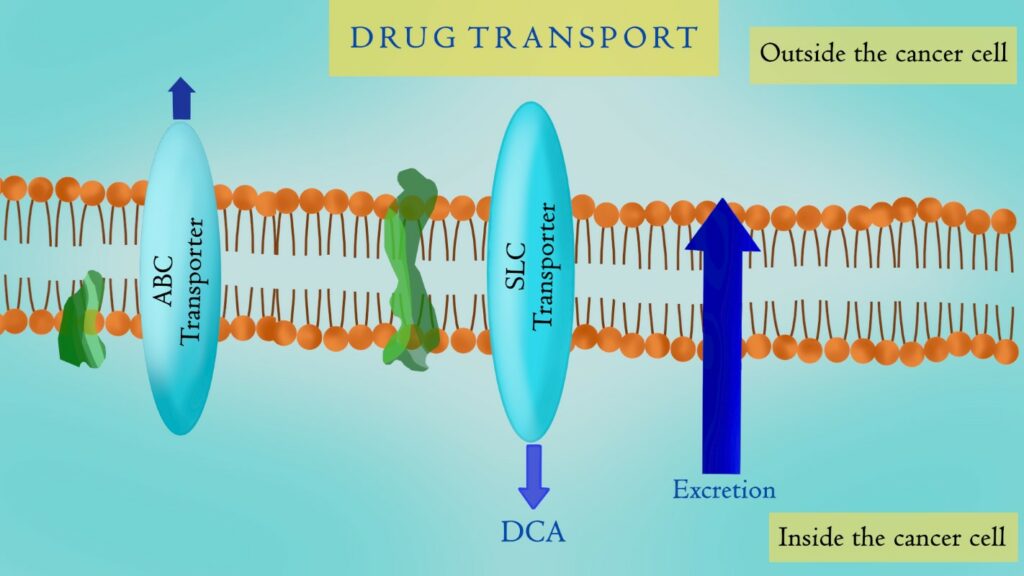
The concern about quercetin in the DCA protocol stems from its potential to interfere with the Sodium-Coupled Monocarboxylate Transporter 1 (SMCT1), which plays a crucial role in the cellular uptake of DCA. Quercetin has been shown to deactivate SMCT1 transporters, potentially reducing the efficacy of DCA by limiting its transport into cancer cells. This deactivation could explain the earlier recommendation to avoid quercetin with DCA.
The new study does not negate the concern regarding SMCT1 but suggests that, under certain conditions (such as specific cancer types like HPV-positive head and neck cancers), the combination of quercetin and DCA may still exhibit beneficial effects through mechanisms beyond SMCT1-related transport. However, this does not imply that the combination is universally beneficial across all cancers.
To summarize, the synergy observed in the study appears specific to HPV-positive head and neck cancers and does not necessarily override the general caution against using quercetin with DCA due to its potential impact on SMCT1 transporters. Until further research clarifies these interactions across a broader range of cancer types, it may be prudent to exercise caution when considering the inclusion of quercetin in a DCA protocol for other cancers.
I’m going to add DCA to a Fenbenzadole protocol that is working well. The Fenbenzadole protocol calls for using vitamin E. I read here that I need to avoid vitamin E with DCA. Do I quite taking Vitamin E or keep using it?
Dear Steve,
When adding DCA to your Fenbendazole protocol, it would be best to discontinue Vitamin E. While Vitamin E is sometimes recommended in Fenbendazole protocols for its potential antioxidant benefits, it is not an essential component. Furthermore, antioxidants like Vitamin E can interfere with the oxidative mechanisms through which DCA exerts its anticancer effects, potentially reducing its efficacy.
Fenbendazole remains highly effective without Vitamin E, so removing it from your protocol will not compromise the overall benefits. Instead, you can focus on other supportive supplements that are compatible with both Fenbendazole and DCA. Examples include curcumin, Vitamin D3, zinc, and magnesium, which may provide additional support without interfering with DCA’s mechanism of action.
As you adjust your protocol, monitor your overall well-being and any changes in your condition. This ensures that your regimen remains balanced and effective while minimizing potential interactions between treatments. Stay positive, and I hope your updated protocol continues to bring good results.
Does anyone know for certain how long to take the diclofenac for re-expression of DCA transporters? She had three tumors (6 ,5 and 4.5 cms). One tumor was eliminated, and the other two shrunk significantly in the first 3 months, then slowed a lot the next 3 months, but the last 6 months the remaining two have not shrunk (3.4 and 1.8 cm’s). We talk to our Dr off the record, so he knows what is going on. Officially, the Dr prescibed Diclofenac for “cancer related pain”. I don’t want to assume we take it for the duration. We just need to know how long she should take it.
For the record, she did one round of chemo at the 2 1/2 month mark, which put her in the hospital for 5 days. It was actually after this the DCA became less effective, coincidence maybe, but someting to make note of.
Hello, thank you for your question! The use of diclofenac for this purpose is still under investigation. Current research might not provide conclusive standardized answer. Diclofenac can have side effects, especially with long-term use, including gastrointestinal issues, cardiovascular risks, and kidney problems. Regular monitoring by a healthcare provider is crucial.
Dr prescribed her 14 days worth, so I think he may have the same feeling about side effects (we didn’t know it was 14 until we picked up the prescription). She will take the 14 days worth, and we’ll talk to him about it at the next appointment (in 2 months). My thinking is, maybe she can take another 14 day regime prior to the next scan (in 5 months), so we can see if it helped.
This may be good thinking, but only if you track patients vitals, overall health changes and if anything goes wrong – contact medical professional.
Yes, thank you. Her vitals and overall well-being are the same, with no side effects. We’ll know more after the next blood draw if it affected her in any way. For the record, before the prescription, the Dr said the side effects are the same as any NSAID’s. I still wonder why the 14 days, but we’ll know at the end of September.
It’s actually a cool and useful piece of info. I am glad that you just shared this helpful
info with us. Please keep us informed like this.
Thqnks for sharing.
Where do you people buy DCA, all shops I contact do not answer back, I am willing to buy DCA but I need some proof that company/store is active and not just dead website pulling money. Thanks!
You took DCA with DMSO ? I have PC also take fenben 2000mg/ DMSO just started DCA
I just like the helpful information you provide in your articles
My wife just finished a 30 day supply taken with DMSO (1000 mg) and FB (2000 mg). MBC ++ her2-. Scans right before Christmas…. no new growths, some existing getting smaller. On other meds as well. No side effects from DCA.
We do take breaks. 4 days on and 3 off. There are other supplements you need to take with it. Please read up about it.
Does DCA work on Bone Metastasis from the kidney. I’ve been taking it for about 2 weeks now.
Has anybody using DCA experienced chest pains?
I’ve been taking DCA regularly since my diagnosis. The research shows that it doesn’t work on all varieties of my cancer. I had a period of 3 months without chemo while I was doing surgeries and my cancer grew and spread despite the DCA. Now the chemo that has been working very well this past year has stopped working and the cancer is growing again despite my use of DCA. Is it safe to increase the dosage and if yes, how much?
Some have increased to 50mg/k along with increasing their Alpha Lipoic Acid, Carnitine and Benfotiame while I have heard from some that actually claimed to add that Fendbendazole along with their protocol and achieved more positive results. While not sure about it as i havent tried it myself but you could look up online who has and perhaps ask direct how they did while using it.
As to the higher doses of DCA for aggressive cancers, it has been utilized but you have to closely monitor for toxic reactions to the dead cells slophing off as they tax the kidneys so detox is also important to clear out system, which by increasing fluids considerably can help lower the cincentration of dead cells for your body to eliminate.
Avoiding sugars and junk carbs helps to slow growth as they feed tumors.
High protein diet is considered to work well with most cancer treatments including when using DCA as well.
Karlyn, what type of cancer? Where did you purchase the DCA? There are unscrupulous people out there that make fake DCA. I recommend DCA Lab, it worked wonders for my wife and it was only 6mg/kg.
After taking DCA for 2 months my CT scan showed that my tumors were stable and there has been no growth. Is this a good sign after two months? Is 2 months to soon for them to be gone? I have a rare sarcoma, stage 4, with mets to lungs.
I got this and Essaic tea for my Aunt who had cancer in her stomach area (which the doctors could not determine exactly), and she couldn’t undertake any more radiotherapy, so they gave her chemotherapy. The doctors weren’t very hopeful, given that they couldn’t perform surgery because of other complications, and they were also worried that it may spread to her spine. I purchased DCA for her in May after watching some YouTube videos, and then in September she came back cancer-free. I’m not a physician, so I can’t confirm that it actually worked, but the result was there. Though I’d like to believe that my purchase was effective, like I said, I’m not a medical professional. I would still recommend it to anyone who needs it.
I cannot express how well dca worked for me; it has been effective without any side effects. By the looks of it, it is much safer than chemotherapy and any other treatments prescribed by an oncologist. Many thanks!!
Just wanted to give some hope to anyone fighting this battle or helping someone fight the battle. Just had my 3 month scan. I was diagnosed a year ago with stage 3 small cell lung cancer. I started DCA protocol right before brain radiation. My first scan after this I was NED! To be honest I was scared thinking the world would think I’m crazy. But my heart said I had nothing to lose. I’ve also never ever mentioned a word to my doctors about taking any vitamins or this protocol.
I thank God every day for another day! As a cancer survivor with little over one year in remission now and several years of testing and checkups to go. I can assure you I know the meaning of being thankful down to the level of every breath taken.
Great news! Praise God! My recent biopsy’s have shown that my pancreatic tumor is dead! They only found necrotic debris and non-viable tissue.
DCA cancer protocol worked for me. Metastatic 2 x 2 cm lung tumor and invaded lymph nodes totally gone on PET/CT scan after 17 weeks
Dear DCA Guide, I’ve been recently diagnosed with gastric cancer in a fairly advanced stage. So far I have received no chemo. Where I live administrative barriers are high. Which is why I have purchased DCA capsules (500 mg) as well as Fenbendazole capsules 222 mg. I intend to begin taking both simultaneously as soon as my orders arrive. On the ‘DCA for cancer’ page on your website (section ‘Cancer cells and DCA-resistance. How to overcome this problem?’) you recommend taking Diclofenac and Omeprazole if the tumor develops resistance. Hence is my question: Does it make sense to include the latter two into the protocol from the very start of the course of treatment? Or would it be more reasonable to wait and see if there is indeed tumor resistance in my case? Needless to say, that I would like to avoid loss of precious time. Thank you for your reply in advance. Miroslav
Hi Miroslav, I hope you are cancer free and doing well. I am interested to learn what protocol you followed and how you felt during treatment and also if you got the results you were hoping for?
Kind regards,
Miryana
I was diagnosed 4 years ago today with triple negative breast cancer! Have been NED since June 2022! All Glory goes to God!
Can you take DCA when you’re on chemotherapy? My friend has stage 2 breast cancer and just started chemo (she had the removal surgery 4 weeks ago) with three more months to go.
6 month CT Scan results today. My oncologist said, “completely normal”! God has kept me All Clear for 3 years 5 months! Prayers answered! Never quit never give up no matter what!
Can DCA be used in conjunction with mistletoe (viscum album) cancer therapy?
My husband was diagnosed 8/21 with non Hodgkin’s lymphoma after being cancer free for 5 years. He started taking the DCA protocol the next month and the lump on his neck disappeared within weeks.
I’m curious if you have any details regarding the synergistic use of Fenbendazole or Mebendazole to reduce tumors.
I started taking DCA very early November. A recent scan showed some existing tumors doubling in size, some stable-ish and some fast growth in other tumors. I wish you all the very very best in your healing journeys!
So many people and animals suffer from cancer each year and are told there is nothing more that can be done. To hear that there is hope out there using a combination of drugs not used by conventional Drs or vets is something we should be aware of and more research should be carried out especially as it could save lives and cost less than conventional treatments. It is something many of us may need in the future for ourselves or our pets. Thank you for this information and I hope it can save other lives in the future.
My father also did this protocol and he lived 43 months post diagnosis
I had Stage 2 Breast Cancer and coming up on 5 years remission. Praying the same for all of you!
Does fenbendazole kill cancer stem cells? or just the mature cancer cells?
As far as I know fenbendazole doesn’t have the ability to kill cancer stem cells. But on the other hand it has been used to treat certain types of cancer, and mostly effective against mature cancer cells.
Is there anyone here who has pancreatic cancer stage 4 , who decided to not do chemotherapy and only treating it with DCA? Would you mind sharing and tell me your protocol and how long have you been doing it.
Hi. I’m 64 years old, diagnosed w. Pancreatic cancer -(Advanced, local adenocarcinoma stage 3; 2.6cm tumor) a few months ago. Initially I was opposed to chemo & had hopes of getting into a clinical trial involving Immunotherapy. I didn’t find one I’m a candidate for & decided I’d do chemo. There have been holdups & delays getting a Pet scan & I’m on the fence about chemo after hearing about Neuropathy & other side effects. Been doing DCA protocol. Recent scans show that tumor has not grown. I feel pretty good- very little pain, ok appetite, weight loss has stopped, no jaundice, great energy.